create at the
speed of thought.
paste this into a TouchDesigner Textport to install — macOS or Windows
the toolset
three tools, one idea.
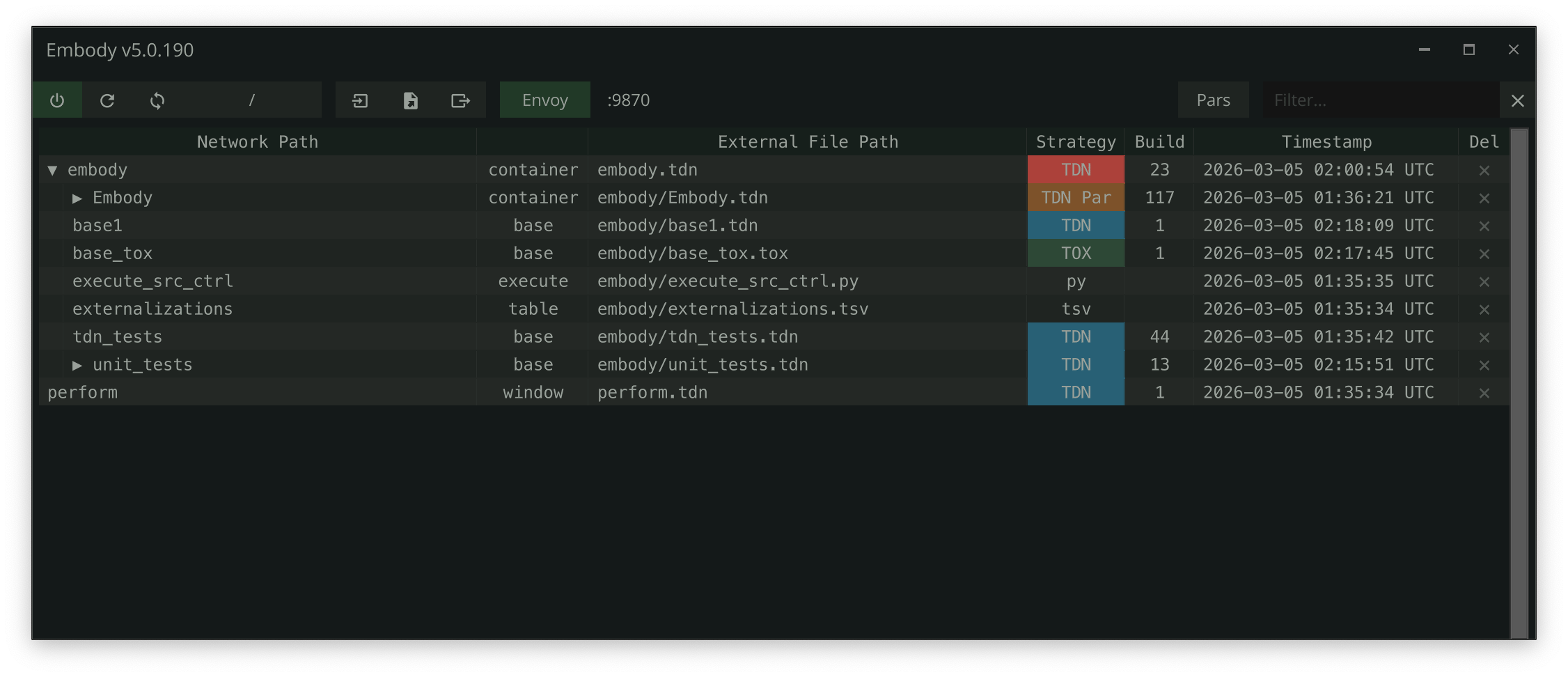
Embody
lateral velocity.
Tag any operator and Embody externalizes it to version-control-friendly files on disk. Diff what changed, track who changed it, collaborate across branches, and restore any previous state. Your externalized files are the source of truth — not the binary .toe.
Envoy
forward velocity.
65 MCP tools that plug Claude Code, Codex, Gemini, Cursor, Windsurf, or GitHub Copilot via VS Code straight into your live session. Say what you want. Watch it happen. Idea to network in seconds.
TDXN
the substrate.
TouchDesigner eXternal Network: your networks as human-readable YAML. Your agent can read it. You can read it. Git can read it.
in practice
say it. watch it happen.
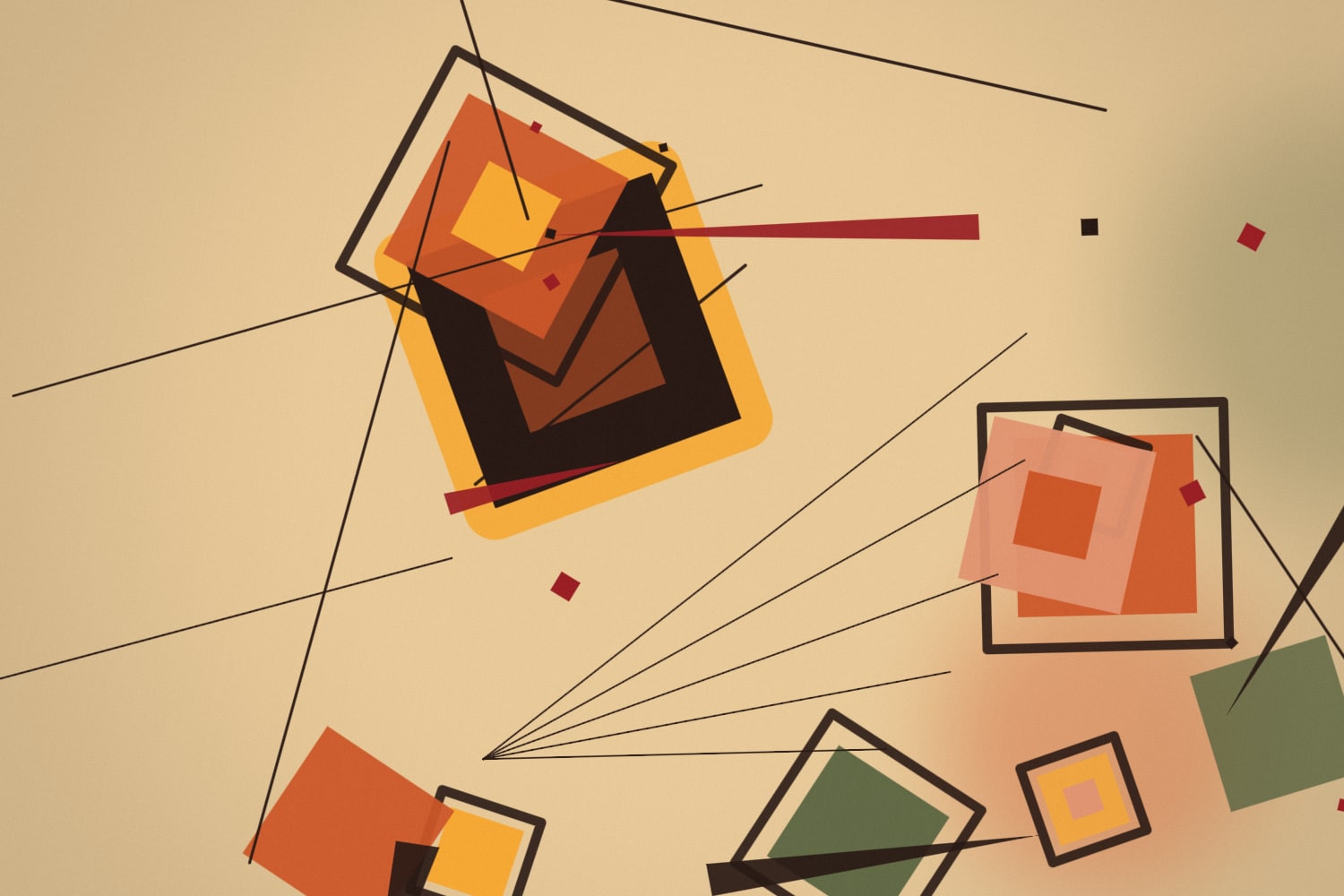
One conversation, one live TouchDesigner session. The frames are straight captures of the network’s output, and each one copies its own TDXN so you can paste the network into yours. The fourth turn is the real diff between the first frame and the third.
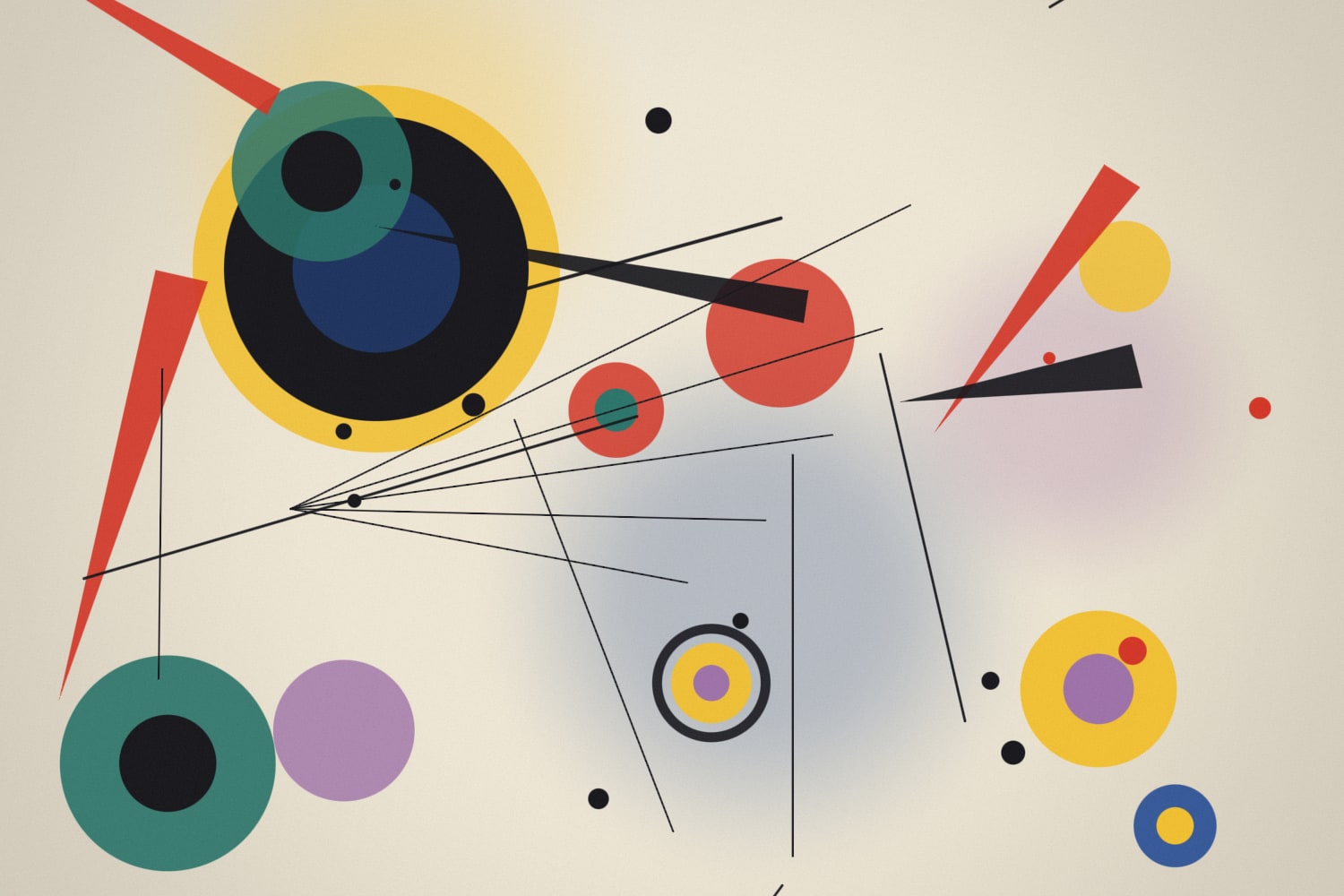
“Build me a Kandinsky-style composition. Circles, a few sharp wedges, thin black lines on paper.”
01Build entire networks from a sentence

“Actually, make it warmer. Squares instead of circles, and push the whole cluster off-center.”
02Try a different approach in seconds
“Set the seed to 42.”
03Set any parameter
- name: Seed default: 7 + value: 42 - name: Shape default: circle + value: square - name: Warmth + value: 1 - name: Offset + values: [0.22, -0.08]“Show me what changed between this and the first one.”
04Compare attempts
- Write extensions“Create an extension class that manages scene transitions.”
- Debug errors“Why is my render chain producing a black output?”
the format underneath
meet TDXN.
TDXN, TouchDesigner eXternal Network, writes a network out as one human-readable YAML file: operators, parameters, connections, layout, annotations, DAT content. All of it in text, so every change is a diff, and every version is a file your agent, your team, and git can all read.
format: tdxn
version: '2.1'
generator: Embody/6.2.13
td_build: 099.2025.33070
source_file: Embody-6.316.toe
exported_at: '2026-09-05T15:47:23Z'
network_path: /embody/kandinsky
type: baseCOMP
custom_pars:
  Kandinsky:
  - name: Seed
    style: Int
    default: 7
  - name: Shape
    style: Menu
    default: circle
  - name: Lineweight
    style: Float
    default: 1.5
    value: 2.5
operators:
- name: glsl_kandinsky
  type: glslTOP
  parameters:
    outputresolution: custom
    resolutionw: 1500
    resolutionh: 1000
  sequences:
    vec:
    - name: uSeed
      valuex: =parent.Kandinsky.par.Seed
    - name: uLineWeight
      valuex: =parent.Kandinsky.par.Lineweight
- name: glsl_kandinsky_pixel
  type: textDAT
  dock: glsl_kandinsky
  dat_content: |
    uniform float uSeed;
    uniform float uLineWeight;
    // ... 124 more lines of GLSL
- name: out1
  type: outTOP
  position: [400, 0]
  inputs:
  - glsl_kandinsky
annotations:
- name: annotate1
  title: Kandinsky composition
  position: [-220, -190]
size: [820, 450]- this is the file behind the frames above — the real export, trimmed to fit. The three frames are three versions of it.
- non-default-only — only what you actually changed gets written.
- type defaults hoisted — shared properties dedupe across operators.
- expression shorthand —
=parent.Kandinsky.par.Seedinstead of a wrapper object. - round-trip safe — export → edit → import yields the same network.
get started
three steps to flow.
- 01
install
Open a Textport (alt+t) and paste the one-liner. Prefer a file? Grab the
.toxfrom GitHub Releases and drop it into your project. - 02
run the Setup Wizard
It opens the moment Embody finishes initializing: a few screens, one decision each, including which AI assistant to connect. Take the recommended option on each and click Set up Embody. Nothing changes until that click, and the Setup Wizard pulse on the Embody COMP re-runs it anytime.
- 03
tag operators
Double-tap lctrl on any operator to externalize it. Start building.
why this exists
Everything is moving faster now. Everyone is shipping. We’re entering a brand new era of creativity, and Embody exists to help the TouchDesigner community build faster and better than ever — open source, no strings attached, nothing SaaSy.
the collection
browse the Collection.
Transparent TDXN networks you can inspect node-for-node, copy to your clipboard, and evolve in your own project.
thermite and freon
Two suns dance like magnets in deep space, colliding in golden explosions while globs of zero-g water cling to the large one, get flung off and drift back. A two-body simulation in a tiny GLSL feedback texture drives reaction-diffusion flares, a GPU fluid, refracting metaball water and POP sparks, all finished with a film pass.
Serenity and Beauty
A Tibetan-thangka mandala. Thirty-two parameterised layers of POP geometry merge into three streams that three GLSL POPs draw in one pass each, reading every layer's settings from a CHOP texture buffer, so the whole image costs about a millisecond a frame. A GLSL scrollwork texture grows outward beneath the elements on a quad inside the render, and a final GLSL pass ages it with patchy wear and shimmering specks; Loop mode snaps every rate so renders repeat exactly.
Ditherizer
Plug-in your static image or live video TOP on the left side, choose your favourite method, and watch the retro-goodness of 90's dithered computer graphics come to life. Optionally, you can plug-in a custom colour palette as well. Don't forget to play around with the parameters until you find the look you like best ;-)